
Laying the Foundation for a Well-Trained Pup
Bringing home a new puppy is an exciting time, but it can also be overwhelming as you navigate all the training and socialization your pup needs. As a first-time puppy owner, it's normal to feel a bit confused about where to start. Fortunately, there are some key skills you can focus on teaching your puppy in the first few weeks that will set them up for success.
In this in-depth blog post, I'll walk you through the first 7 things you should teach your new puppy. These foundational behaviors will help your pup learn how to learn, build a strong bond with you, and develop into a well-mannered companion. Let's dive in!
1. Teach Your Puppy to Follow Food Lures
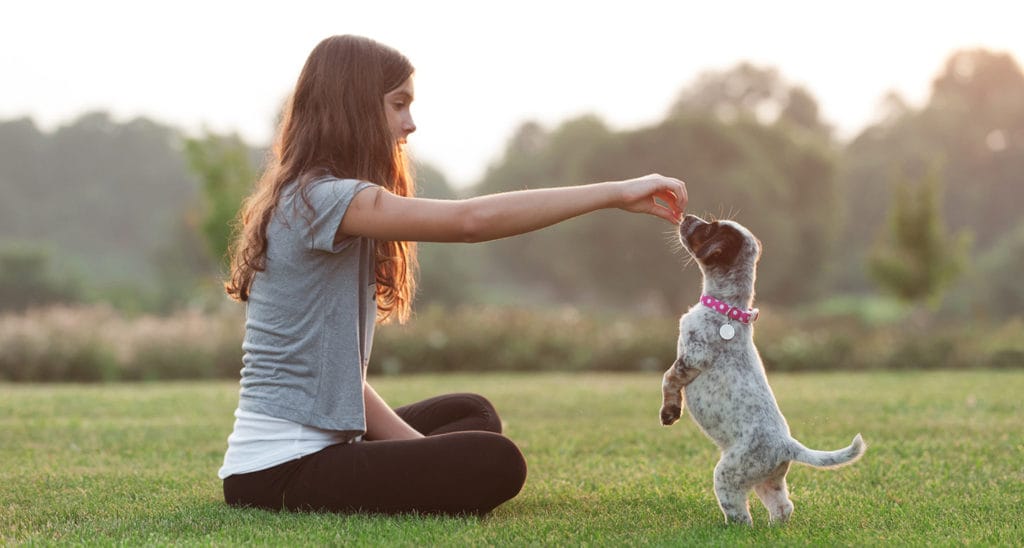
One of the first things I work on with all my puppies is getting them comfortable following food lures. This simple technique is the gateway to teaching your pup all kinds of valuable behaviors, from sit and down to more complex tricks.
The key is to use high-value treats that your puppy is highly motivated by, like small pieces of cooked chicken or cheese. Hold the treat close to your puppy's nose and slowly move it in the direction you want them to go, whether that's into a sit, down, or coming towards you. As soon as your puppy follows the treat, say "Yes!" and reward them immediately.
This food luring method serves two important purposes:
- It teaches your puppy how to learn. By pairing the food reward with the behavior you want, your puppy learns that good things happen when they follow your cues. This lays the foundation for more advanced training down the road.
- It builds a positive association with you. When your puppy realizes you're the one providing the tasty treats, they'll start to see you as a valuable resource and will be eager to engage with you.
Be sure to keep your food lure close to your body as you train, rather than holding it out in front of your puppy. This will encourage them to stay close to you rather than learning to sit or come from a distance. And only say the cue (like "sit") once before rewarding - you don't want your puppy to learn to ignore the cue until you've said it multiple times.
2. Teach Your Puppy Sit and Down
Once your puppy has the hang of following food lures, you can start teaching them some basic obedience cues like sit and down. These are important foundational behaviors that will serve as building blocks for more advanced training.
To teach sit, hold the food lure above your puppy's head and slowly move it back towards their tail. As their bottom hits the ground, say "Sit" and reward immediately. Remember to keep the treat close to your body so your puppy learns to sit right next to you.
For down, start with your puppy in a sit, then lure the treat from their nose down to the floor. As their elbows touch down, say "Down" and reward. You can also try luring directly from a standing position into a down.
Be patient and keep training sessions short and positive. It may take many repetitions before your puppy really understands these cues. The key is to always reward the slightest effort in the right direction.
3. Teach Your Puppy to Release on Command
Another important behavior to teach early on is a release cue, like "Okay" or "All done." This lets your puppy know when they can get up from a sit or down, or when they can stop holding a behavior like waiting patiently for their food.
To train this, simply say your release word the moment your puppy's bottom or elbows hit the floor, then immediately reward. Over time, you can start saying the cue before they release, and eventually phase out the food reward as they learn to respond to the verbal cue alone.
Teaching a release command serves a few key purposes:
- It prevents your puppy from becoming a "drive-through" learner. You don't want them to just do the behavior, get the treat, and then leave. The release cue teaches them to wait for your permission.
- It helps your puppy learn to focus and hold positions. Knowing they'll get rewarded for staying in position until released will encourage them to be more attentive and obedient.
- It builds impulse control. Waiting for the release cue teaches your puppy to resist the urge to jump up or wander off as soon as they get the treat.
4. Teach Your Puppy to Be Comfortable with Handling
In addition to basic obedience, it's important to get your puppy comfortable with having their body handled from an early age. This will make things like grooming, vet visits, and putting on a leash much easier down the line.
Start by gently touching and manipulating your puppy's paws, ears, mouth, and collar while rewarding them with treats. You can also practice holding their collar and luring them into a sit or down using the food luring technique we discussed earlier.
The key is to make these handling sessions positive and keep them brief. You don't want your puppy to become stressed or fearful. Over time, you can gradually increase the duration and intensity of the handling as your puppy becomes more comfortable.
Establishing this positive association with being handled will pay off immensely as your puppy grows. You'll have a much easier time getting them to cooperate for things like nail trims, teeth brushing, and vet exams.
5. Teach Your Puppy Their Name
One of the first things you should work on with your new puppy is teaching them to respond to their name. This is a crucial foundation for all other training, as it's the first step in getting your puppy's attention.
To do this, simply say your puppy's name and immediately follow it with a food reward. Repeat this process several times in a row, making sure your puppy is focused on you before saying the name. The key is to always reward the name, never the other way around.
Over time, you can start calling your puppy's name when they're slightly distracted and reward them for looking at you. This teaches them that responding to their name is highly rewarding. Avoid constantly repeating the name, as this can cause your puppy to tune it out.
Mastering their name response will make it much easier to get your puppy's attention when you need it, whether you're training, playing, or just trying to keep them safe. It's the foundation for so many other important behaviors.
6. Teach Your Puppy Tug-of-War
Tug-of-war is a fantastic way to exercise your puppy's body and mind. It's also a great training tool that allows you to practice impulse control and build drive and engagement.
Start by getting your puppy excited about a tug toy, encouraging them to grab onto it and shake it vigorously. Once they've latched on, practice giving the "Out" or "Drop it" cue, then immediately reward them with a treat when they release the toy.
The key is to maintain control of the toy - don't let your puppy just run off with it. This teaches them that the game only continues as long as they're playing by your rules. Praise and reward them for being gentle with their mouth and not biting your hands.
Tug-of-war is a great way to tire out your high-energy puppy, but be sure to end the game on a positive note before they get overly aroused. Consistency is important, so make sure everyone in the family uses the same cues and rules for the game.
7. Teach Your Puppy the Restraint Recall
The final foundational behavior to focus on in your puppy's first weeks is the restraint recall. This exercise teaches your puppy to come running to you when called, even when they're excited or distracted.
To practice the restraint recall, have one person hold your puppy while the other person stands a few feet away, enticing them with a toy or high-value treat. When your puppy is focused on the reward, call their name and run backwards, encouraging them to chase after you.
As soon as your puppy reaches you, reward them with praise, playtime, and the treat. Repeat this process, gradually increasing the distance between you and your puppy. The key is to make the reward for coming to you irresistible - you want them to think it's the best thing ever!
The restraint recall is a fantastic way to build drive and engagement with you, while also teaching an important safety behavior. Mastering this skill will give you peace of mind knowing your puppy will come when called, even in exciting or distracting situations.
Setting Your Puppy Up for Success
By focusing on these 7 foundational behaviors in your puppy's first weeks, you'll be setting them up for a lifetime of good manners and a strong bond with you. Remember to keep training sessions short, positive, and well-rewarded. With patience and consistency, your puppy will quickly learn how to learn and become an obedient, well-adjusted companion.
Happy training!


0 Comments